
- New
- Rupture de stock
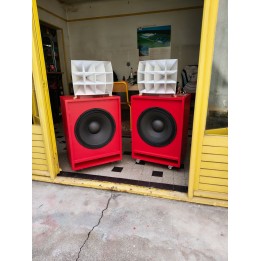
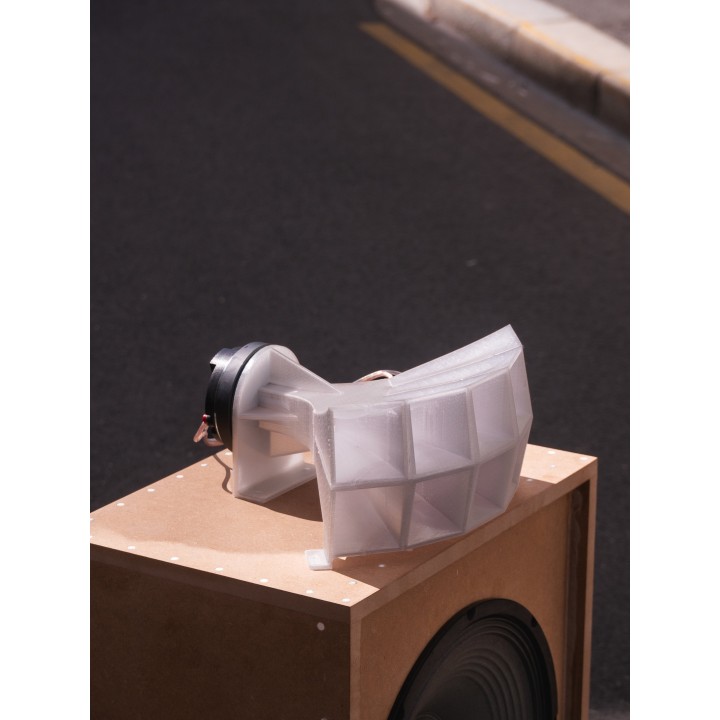
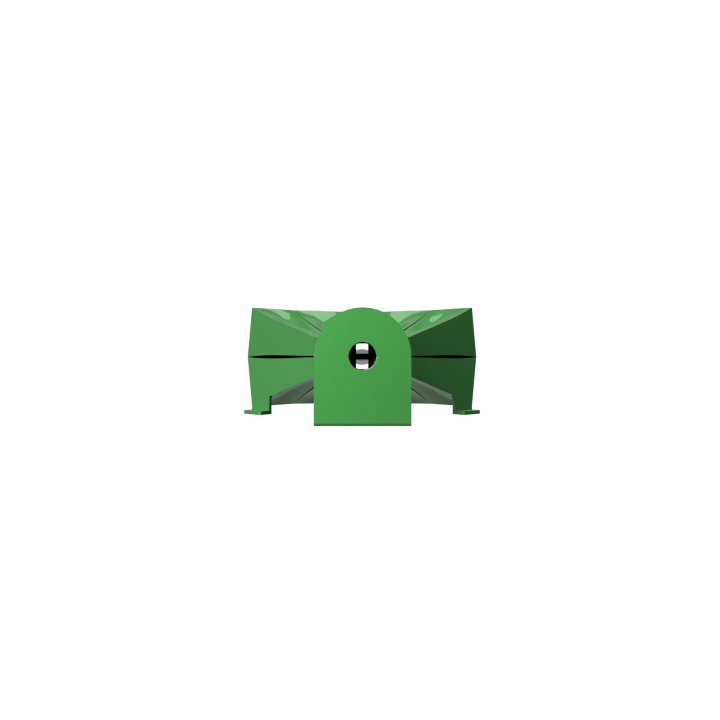

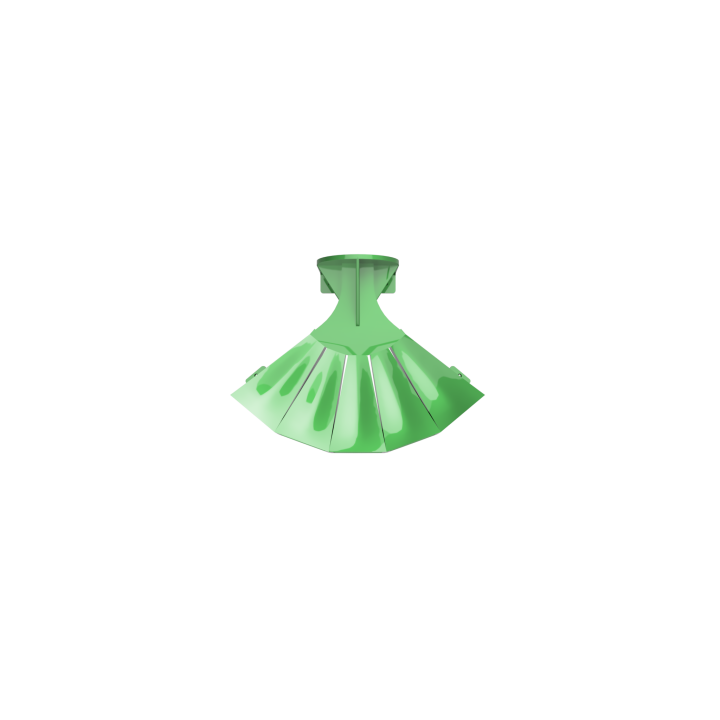
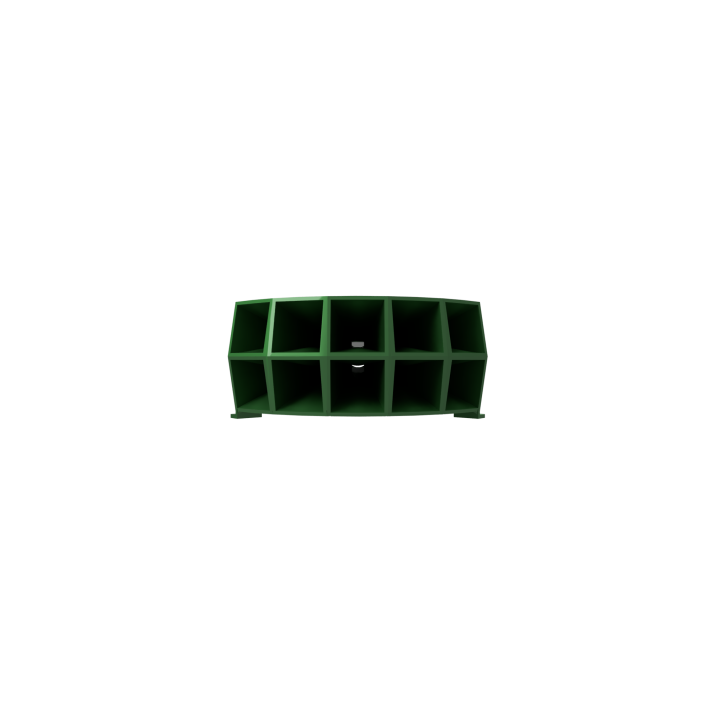
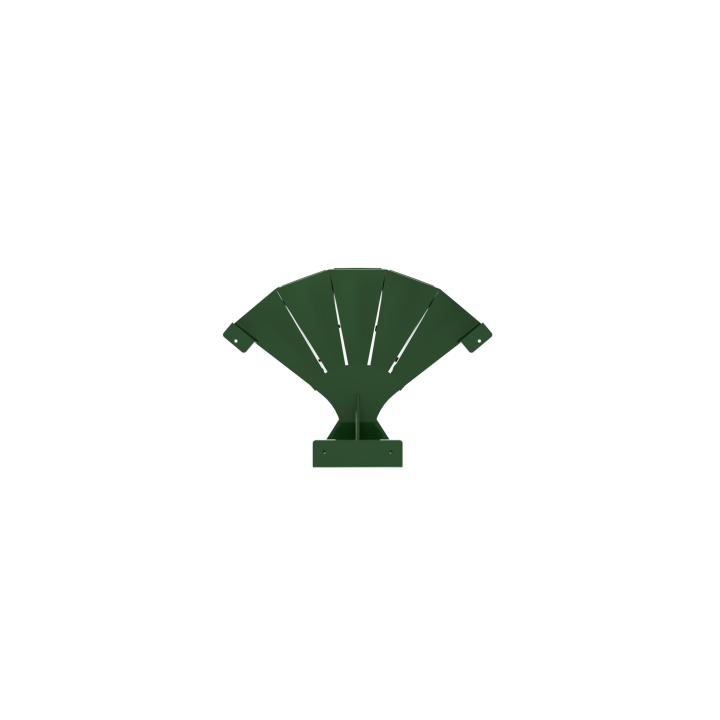
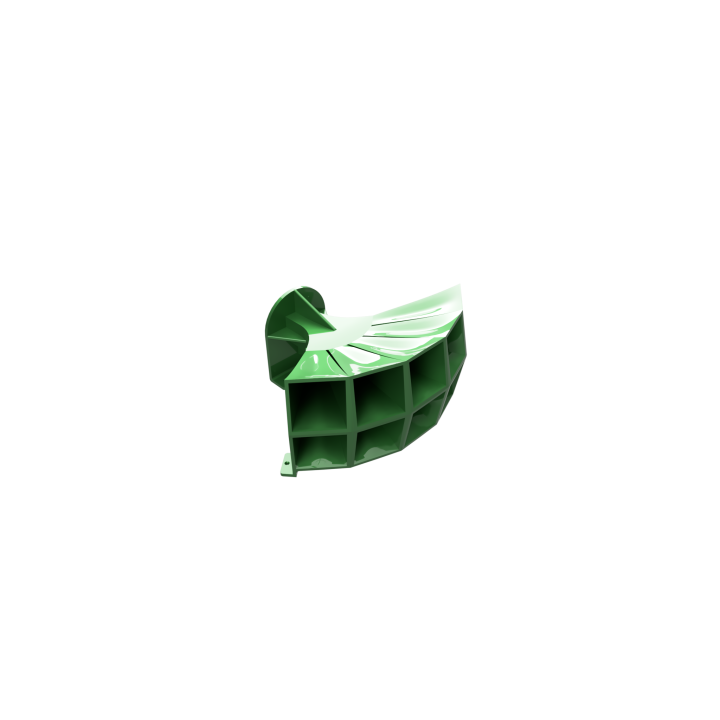
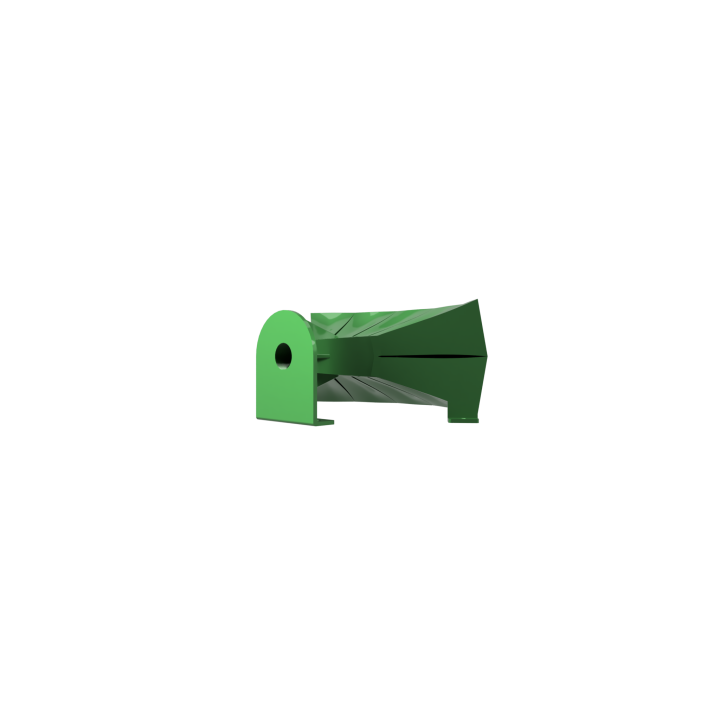
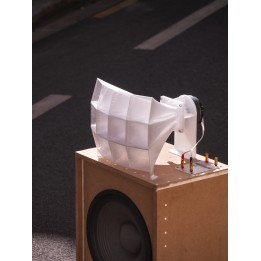
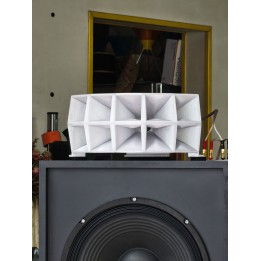
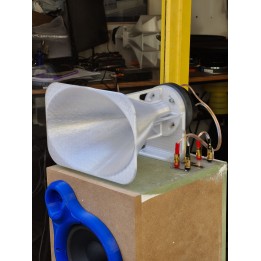
5426 Multicell Horn 2x5 3d model images
3D printable files for multicell horn (2x5 cell matrix) designed for voice coil compression drivers with a standard 1-3/8"-18 TPI threaded throat adapter or editable .
This model is engineered to offer optimal acoustic dispersion and smooth expansion profile control, bridging traditional multicell horn geometry with additive manufacturing techniques. Perfect for DIY audio enthusiasts, custom PA systems, or vintage-style acoustic projects.
3D printable multicell horn (2x5 cell matrix) designed for 1.75-inch voice coil compression drivers with a standard 1-3/8"-18 TPI threaded throat adapter or editable.
This model is engineered to offer optimal acoustic dispersion and smooth expansion profile control, bridging traditional multicell horn geometry with additive manufacturing techniques. Perfect for DIY audio enthusiasts, custom PA systems, or vintage-style acoustic projects.
Type: Sectoral multicellular horn (5 columns × 2 rows, 10 independent cells)
Throat entry: 1.75 inch
Acoustic cutoff frequency: ~850 Hz
Recommended crossover frequency: 1,800 Hz (min. 1,600 Hz @ 18 dB/oct or 24 dB/oct)
Nominal overall coverage (-6 dB): 90° × 40° to 100° × 45° (H × V)
Horizontal pattern: Constant ~90°–100° from 2 kHz to 8 kHz (gradual narrowing down to 70°–80° above 10 kHz)
Vertical pattern: ~40°–45° (tight control to reduce floor/ceiling reflections)
Dispersion geometry:
Inter-axis cell splay: ~18° to 20°
Individual cell flare angle: ~20°
Recommended loading: 1" compression drivers with 1.4" to 1.75" diaphragms
Material: PLA, PETG, or ABS (PETG recommended for higher mechanical resistance and outdoor durability).
Layer Height: 0.20 mm (or 0.28 mm for faster prints with larger nozzles).
Infill: Minimum 20–30% (Gyroid or Grid) to ensure rigidity and dampen unwanted acoustic resonance.
Perimeters / Walls: 3 to 4 walls recommended for structural strength.
Sealing Note: Ensure an airtight seal around the thread/throat connection using Teflon tape or a rubber gasket to prevent acoustic leaks.

 Security policy
 Delivery policy
 Return policy
Comments (0)
Your review appreciation cannot be sent
Report comment
Report sent
Your report cannot be sent